How to Introduce AI Into a Resort or Hotel Pool in Mauritius — Step by Step to a Local AI Plant Assistant
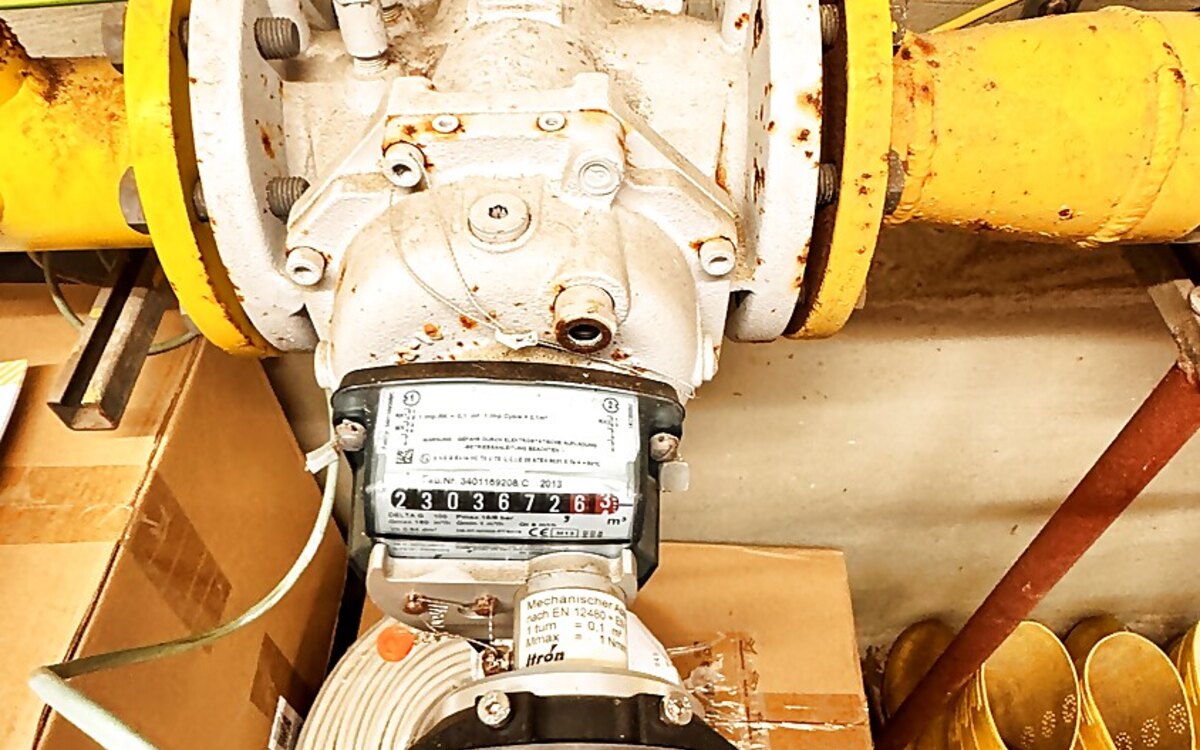
You don't "install" AI into a pool — you introduce it in clear steps: measure, then validate, then digitalise the plant, then put an AI assistant on top, and run it locally so no data leaves the house. This proven path comes from a real project for a municipal indoor + outdoor family pool and transfers 1:1 to a hotel or wellness pool in Mauritius and the Indian Ocean.
1) Measure — put meters on pumps, heat pump/boiler, ventilation and hot water so you know real consumption per trade. 2) Validate (plausibilise) — check the readings against each other so the AI later learns from clean data, not sensor errors. 3) Digitalise the plant — bring the signals (pump speeds, temperatures, valve/attraction states, tariff) into one system. 4) Build the AI assistant on top of that digitalised plant. 5) Run it locally / on-site — the assistant lives on hardware in your plant room, so operating data stays in the building. Skipping a step (e.g. AI before measuring) is the most common failure.
Once the plant is digitalised, the assistant automates four things: Pump optimisation — it reads bathing-guest patterns and adjusts pump speed via a VFD instead of running flat-out (up to ~55% less pumping electricity). Heating management — it forecasts heat demand from weather + occupancy and runs the heat pump when power is cheapest (up to ~60% less heating cost). Presence control — jets, steam and lighting run only when guests are actually in the wellness area (up to ~45% less attraction cost). Sauna scheduling — it builds an optimal pre-heat/löyly plan so the sauna isn't heated empty. Figures are project targets, not guarantees.
Running the assistant on-site keeps plant data (temperatures, pump loads, energy) inside your building. Guest and booking data stay in a separate system and are never touched by the energy AI — the assistant does not need them. This separation makes the AI transparency obligations of the EU AI Act (Art. 50) easy to meet for European resort groups operating in Mauritius, and keeps guest-privacy exposure minimal under Mauritius' own Data Protection Act. Involve your data protection officer before go-live; this is a general process description, not legal advice.
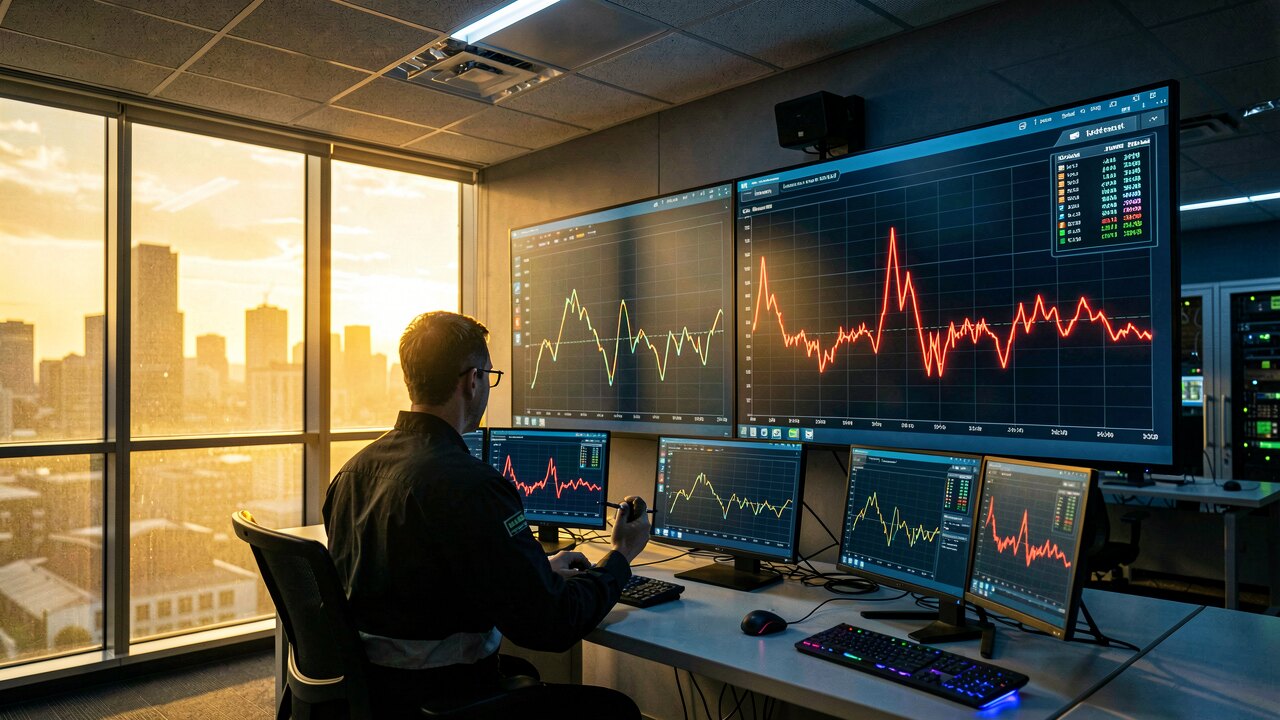
Mauritius and neighbouring islands (Réunion, Seychelles, Maldives) rely heavily on imported fossil fuel for grid power, so CEB electricity is expensive relative to Europe — every kWh the AI avoids is worth more. The tropical climate also means indoor pool halls carry heavy dehumidification and ventilation loads year-round, exactly the loads the assistant trims. Pair the assistant with rooftop PV under CEB's small-scale distributed-generation / net-metering scheme and the heat pump can be steered to run on your own solar. Reference points from the hotel-energy market show 12–18-month ROI ranges for comparable HVAC-optimisation systems.
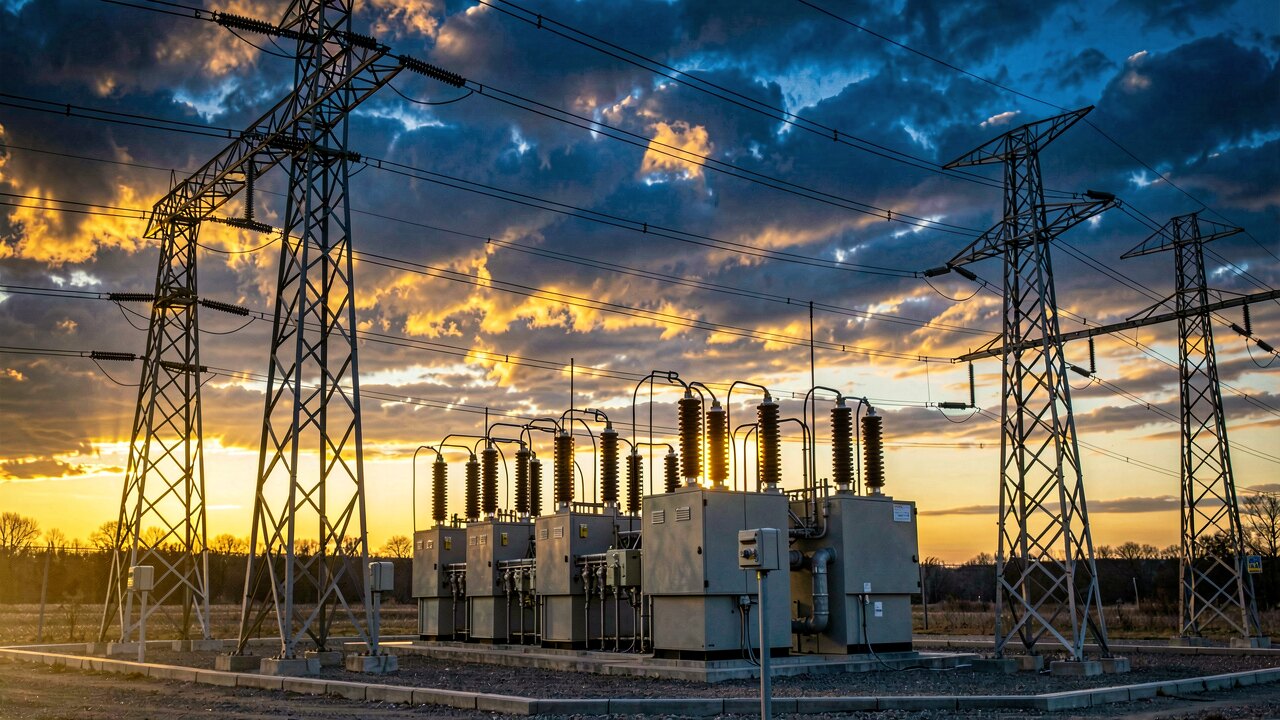
A hotel or wellness pool has the same trades as a public pool — pool water, sauna, ventilation, hot water. So the same path — measure, validate, digitalise, AI assistant, run locally — lowers energy cost for all of them without ever touching guest or booking data. You do not need a bespoke process per property type; you need clean measurement first and a digitalised plant to put the AI on.
 Charge Director
 Automixer
 BESS Engineer
 PV Watcher