Direct marketing for hotels in Mauritius and the Indian Ocean: does it apply?

"Direktvermarktung" (direct marketing) is a German-style model in which a generator sells its electricity on the power exchange through a direct marketer and follows hourly price schedules. In Mauritius and most Indian Ocean island grids there is no such exchange and no independent marketer to sell through — the utility is the single buyer, so a hotel optimises self-consumption and utility schemes instead.
Direct marketing needs three things: a liquid wholesale power exchange, licensed direct marketers, and a legal right for a generator to feed into a market rather than to one buyer. Mauritius has a vertically integrated single-buyer structure around the Central Electricity Board (CEB): a hotel with PV or a generator sells to (or offsets against) the CEB under a defined scheme or PPA, not to a market. The same single-buyer pattern applies on most neighbouring island systems (Réunion via EDF SEI, Seychelles via PUC, Maldives via the state utilities). So if a supplier offers a hotel in Mauritius "exchange direct marketing", ask which exchange — there is none for island generation.
1) Self-consumption first: rooftop or carport PV sized to the hotel's daytime base load (kitchen, laundry, chillers, pool pumps, HVAC) — every kWh you do not buy is worth the full retail tariff, which is always more than any export price. 2) A CEB distributed-generation scheme (small/medium scale schemes for grid-connected PV, with export handled under the scheme's terms — confirm current capacity bands, tariff and application route directly with the CEB, as conditions are revised). 3) A power purchase agreement with an IPP or ESCO if the roof area is larger than what you want to finance yourself. 4) Storage plus load shifting to cut evening peak and diesel back-up hours. Route 1 plus 4 is where hotel money is actually made.
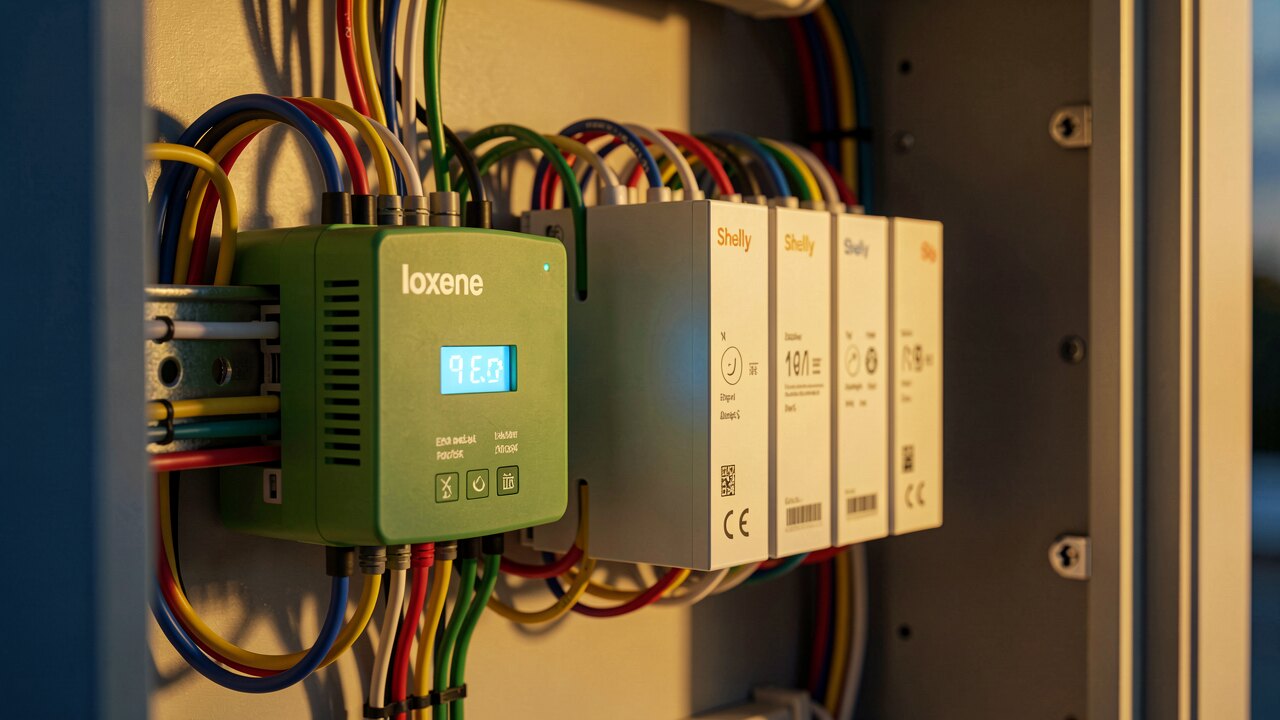
For reference, this is what "direct marketing" means in the market-premium model where it exists: the plant — often a CHP unit — receives hourly schedules from the marketer and adjusts output to the exchange price, running at full load when prices are high and throttling or shutting down at negative prices. In practice the marketer sends a small number of operating points (for example eight) for the coming hours, the plant PLC takes the setpoints and reports actual values back. Setting it up takes an advisory meeting, a direct marketing contract, and PLC configuration. Nothing in that chain has a counterpart in the Mauritian single-buyer market today.

The controllable idea behind direct marketing — run flexible loads when energy is cheap, avoid them when it is expensive — transfers directly, using your tariff instead of an exchange price. On a time-of-use industrial or commercial tariff, shift laundry cycles, pool filtration, ice building, water heating and battery charging into the cheap and high-solar hours, and hold chillers and pumps out of the peak window. Refrigerated storage in hotels is a major cost item and tolerates pre-cooling well, which makes it one of the better shiftable loads. This is a controls and metering project, not a trading contract.
Many hotels in Mauritius, Rodrigues, the Seychelles and the Maldives run diesel or gas gensets for back-up. Unlike a European CHP unit, these are not marketed into an exchange — but their run hours are a real cost line, and PV plus storage can cut them. Before adding capacity, meter what the gensets actually run for: outage cover, peak shaving, or unmanaged load spikes. Each has a different, cheaper fix. Only size storage against measured load data, never against nameplate ratings.
Ask any developer or consultant: which CEB scheme or licence exactly is this project under, and what is its current status; who owns the exported kWh and at what price; who owns the asset and the roof risk at end of contract; what happens to the economics if the retail tariff or scheme terms change; and what metering will let you verify the claimed savings month by month. If the answer to the first question is vague, the rest of the numbers are not worth reading.
 Charge Director
 Automixer
 BESS Engineer
 PV Watcher